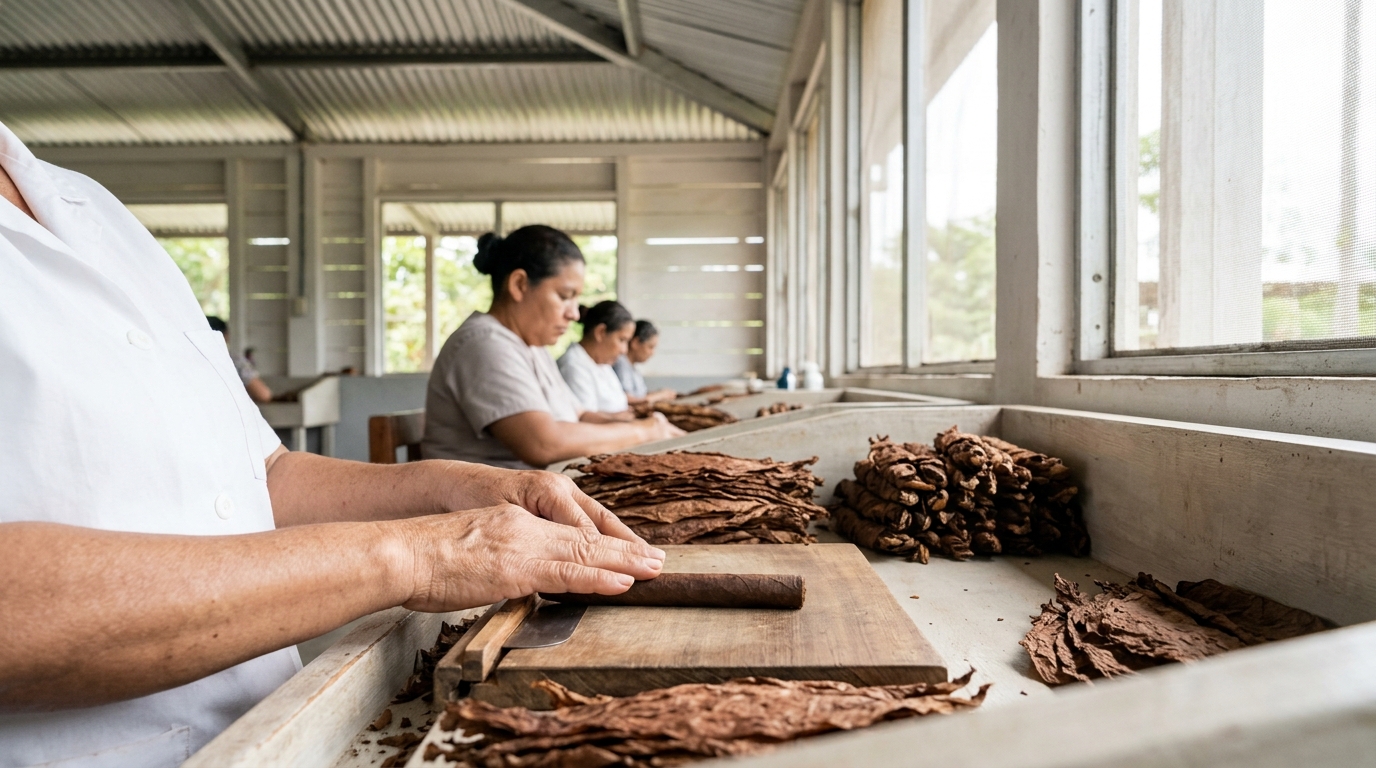
Nicaragua is the world's most decorated cigar-producing country right now, and these are the specific sticks you should be smoking in 2026. From Estelí's bold, peppery powerhouses to the earthy complexity of Jalapa Valley blends, Nicaraguan tobacco delivers more award-winning vitolas per square mile of growing region than any other nation on earth. Whether you're a seasoned aficionado or a curious newcomer, this list cuts through the noise and gives you the bottles - or rather, the bands - that actually matter this year.
Why Nicaragua Dominates the Premium Cigar World
Three distinct growing regions make Nicaragua exceptional: Estelí, known for its rich, full-bodied ligero; Jalapa, which produces sweeter, silkier leaf with lower nicotine punch; and Ometepe, a volcanic island producing some of the rarest and most mineral-driven tobacco on the market. The combination of high altitude, volcanic soil, and a culture of master blenders - many trained across generations - makes Nicaraguan puros among the most complex cigars available at any price point.
In 2025, Nicaraguan cigars claimed seven of the top twenty spots in Cigar Aficionado's annual rankings, continuing a decade-long streak of dominance that shows no sign of slowing entering 2026.
The Top Nicaraguan Cigars to Smoke in 2026
1. Padrón 1964 Anniversary Series (Maduro)
If there is one cigar that consistently earns its place at the top of every serious list, it is the Padrón 1964 Anniversary Maduro. Blended entirely from Nicaraguan sun-grown tobacco aged a minimum of four years, this cigar delivers dark chocolate, espresso, toasted cedar, and a lingering sweetness that builds through the final third. The construction is immaculate - a razor-sharp draw, firm pack, and a one-inch ash that holds with confidence. The Torpedo vitola is particularly spectacular in 2026, showing even deeper complexity as the brand continues to refine its aging process at their Estelí factory.
2. Oliva Serie V Melanio
The Oliva Serie V Melanio is named after Oliva's master tobacco grower, Melanio Oliva, and it earns that tribute every time you light one. This is a full-bodied Nicaraguan puro wrapped in an Ecuadorian Sumatra that softens the punch just enough to let the layered flavors - leather, dark fruit, white pepper, and roasted nuts - shine without assault. The Figurado remains the standout vitola: the tapered head focuses the draw and intensifies the retrohale. Retail pricing runs approximately $18–$24 per stick depending on vitola and retailer.
3. My Father Le Bijou 1922
Pérez-Carrillo's My Father Le Bijou 1922 is a Nicaraguan powerhouse wrapped in a dark, oily San Andrés Mexican maduro. This is not a beginner cigar - nicotine strength is high, and the flavor profile is aggressive: dark cocoa, black pepper, barnyard, and leather from the first draw. But for experienced smokers who want intensity with balance, Le Bijou 1922 remains one of the most satisfying cigars made in Nicaragua. The Torpedo vitola smokes in about 75 minutes and is widely available at $15–$20 per stick.
4. Drew Estate Undercrown Sungrown
The Drew Estate Undercrown Sungrown is the working smoker's premium Nicaraguan. Developed as an accessible sibling to the legendary Liga Privada No. 9, Undercrown Sungrown wraps a Nicaraguan and Honduran binder and filler in a dark, sun-grown Habano wrapper. The result is a medium-to-full profile heavy on earthiness, green pepper, and dark espresso with a creamy texture that develops in the second half. At roughly $10–$13 per stick, it punches far above its price class and remains one of the best value propositions in Nicaraguan cigars entering 2026.
5. Plasencia Alma Fuerte Nestor IV
The Plasencia family has farmed tobacco in Nicaragua for over 50 years, and the Alma Fuerte Nestor IV is their flagship statement. The Nestor IV vitola - a 6 x 60 box-pressed Churchill - is an immediate conversation starter. Nicaraguan long-fillers from four distinct growing regions are bound by a Nicaraguan Jalapa binder and capped with a stunning Nicaraguan Corojo 99 wrapper. Expect notes of cedar, dried fruit, black pepper, and a rich creaminess that makes this a 90-minute smoking experience worth every minute. Priced around $14–$18 per stick at authorized retailers.
6. Joya de Nicaragua Antaño 1970
If you want the most historically significant Nicaraguan cigar still in production, smoke a Joya de Nicaragua Antaño 1970. Joya de Nicaragua is the oldest cigar factory in the country, founded in 1968, and the Antaño 1970 is a deliberate homage to the original pre-revolution Nicaraguan style - bold, rustic, full-bodied, and deeply earthy. The wrapper is a dark, veiny Nicaraguan Corojo that crackles with pepper and leather. This is a cigar with history baked into every layer of tobacco. Vitolas run from the Gran Consul (7 x 50) down to the Gran Perfecto, all priced between $12 and $17.
Nicaraguan Cigar Comparison: Six Top Picks at a Glance
Cigar Body Wrapper Price/Stick Best For Padrón 1964 Maduro Full Nicaraguan Maduro $20–$28 Special occasions Oliva Serie V Melanio Full Ecuadorian Sumatra $18–$24 Complex flavor seekers My Father Le Bijou 1922 Full+ San Andrés Maduro $15–$20 Experienced smokers Undercrown Sungrown Med-Full Habano Sungrown $10–$13 Daily smokers, value Plasencia Alma Fuerte Full Nicaraguan Corojo 99 $14–$18 Long sessions Joya Antaño 1970 Full Nicaraguan Corojo $12–$17 History enthusiastsHow to Choose the Right Nicaraguan Cigar for Your Palate
- New to full-bodied cigars? Start with the Undercrown Sungrown. It delivers Nicaraguan character without overwhelming newcomers.
- Want maximum complexity? The Oliva Serie V Melanio Figurado is the choice - no other cigar on this list layers flavor as intricately.
- Prefer dark, sweet chocolate notes? The Padrón 1964 Maduro and My Father Le Bijou 1922 are your targets.
- Looking for a long session smoke? The Plasencia Alma Fuerte Nestor IV will occupy you for 90 minutes with consistent, evolving flavor.
- Budget under $15? The Joya de Nicaragua Antaño 1970 and Drew Estate Undercrown Sungrown both deliver serious quality without the premium price tag.
Pairing Nicaraguan Cigars: Quick Guide
Nicaraguan cigars are bold enough to stand up to robust beverages. Aged rum- particularly from Nicaragua's own Flor de Caña 18-Year - complements the earthiness and chocolate notes in maduros beautifully. Bourbon with a high rye content cuts through the richness of Le Bijou 1922 and amplifies the pepper. For morning smokes, a dark espresso or cold brew mirrors the coffee notes in Padrón's 1964 Anniversary line almost uncannily. Avoid delicate white wines or light beers - they simply disappear against Nicaragua's intensity.
Nicaraguan Cigars FAQ
What makes Nicaraguan cigars different from Cuban cigars?
Nicaraguan cigars are generally bolder, more peppery, and higher in nicotine than Cuban cigars, which tend toward creaminess and restrained complexity. Nicaraguan tobacco benefits from volcanic soil in regions like Estelí and Jalapa, producing a more aggressive ligero than Cuba's Vuelta Abajo. Nicaragua also allows master blenders to freely experiment with multi-region puros, while Cuban blends follow stricter traditional formulas.
Which Nicaraguan cigar is best for beginners?
The Drew Estate Undercrown Sungrown is the best entry point into Nicaraguan cigars. At $10–$13 per stick, it delivers medium-to-full body without the nicotine spike that characterizes cigars like Le Bijou 1922 or Antaño 1970. The construction is consistent and forgiving, which matters when you're developing your palate.
Are Nicaraguan cigars stronger than Dominican cigars?
Generally, yes. Nicaraguan tobacco - especially Estelí-grown ligero - produces higher nicotine output and a more aggressive pepper profile than most Dominican blends. Dominican cigars (like the Arturo Fuente Opus X) are full-bodied but tend toward creamier, less sharp flavor profiles. Nicaraguan puros hit harder and faster, particularly in the final third.
What is the best time of day to smoke a full-bodied Nicaraguan cigar?
Smoke full-bodied Nicaraguan cigars like the Padrón 1964 Maduro or Plasencia Alma Fuerte after a meal - specifically after dinner. Smoking a high-nicotine, full-bodied cigar on an empty stomach dramatically increases the likelihood of nicotine sickness. Post-dinner is ideal: your blood sugar is stable, you have time for a 60–90 minute smoke, and food has primed your palate to detect subtle flavor changes.
Where can I buy authentic Nicaraguan cigars in 2026?
Purchase Nicaraguan premium cigars through authorized brick-and-mortar tobacconists or established online retailers like Famous Smoke Shop, Cigars International, or Thompson Cigar. Buying from authorized retailers guarantees proper storage in humidity-controlled environments, which directly affects draw and flavor. Avoid purchasing premium cigars from marketplaces like eBay or Amazon - counterfeit bands and improperly stored stock are persistent problems on those platforms.
